Getting into a car accident is stressful, and knowing when to call for a tow truck can make a big difference in how smoothly things go afterward. The short answer: if your vehicle isn’t safe to drive or has any damage that affects its ability to operate properly, you should contact a towing service immediately. Waiting too long can put you at risk of further damage, injuries, or complications with your insurance claim.
Many drivers try to assess whether they can drive their car away from an accident scene, but this decision shouldn’t be taken lightly. Even minor-looking damage can hide serious mechanical problems. Your safety and the safety of other drivers should always come first. Understanding when you need professional towing help protects you legally, physically, and financially.
Immediate Signs You Need a Tow Truck
Some situations make it obvious that you need a tow truck right away. If your vehicle has visible damage to the wheels, axles, or undercarriage, don’t attempt to drive it. Fluid leaks are another red flag—whether it’s coolant, oil, or transmission fluid, driving with a leak can cause permanent engine damage.
Steering problems after an accident mean your car is unsafe to drive. If the steering wheel feels loose, doesn’t respond properly, or makes unusual noises, stop immediately. The same goes for brake issues—if your brakes feel soft, make grinding sounds, or don’t stop the car effectively, you need a tow.
Airbag Deployment and Safety Systems
When airbags deploy during an accident, your car needs professional attention before you can drive it again. Modern vehicles have complex safety systems that need to be reset and inspected by a mechanic. Driving with deployed airbags isn’t just uncomfortable—it’s dangerous because your main safety system is now inactive.
Vehicle Damage Assessment
Visible Structural Damage
Frame damage, bent body panels, or a crushed hood often indicate your car isn’t roadworthy. Even if the engine starts, structural damage can affect how your car handles and how safe it is in another collision. These problems won’t be obvious while you’re sitting still in a parking lot.
Mechanical Failures
Your car might start after an accident but show signs of mechanical failure when you try to move it:
- Engine making unusual knocking, grinding, or rattling sounds
- Transmission slipping or failing to shift properly
- Warning lights staying illuminated on the dashboard
- Strange smells like burning rubber or overheating components
- Difficulty accelerating or maintaining speed
Insurance and Legal Requirements
Your insurance company may require professional towing for claims purposes. Many policies include roadside assistance or towing coverage that you’ve already paid for. Using this service creates a paper trail that supports your claim and documents the accident properly.
Law enforcement officers at accident scenes often have protocols about when vehicles must be towed. If your car is blocking traffic or poses a safety hazard, police may require immediate towing regardless of whether you think you can drive it.
Documentation Matters
Having your vehicle professionally towed creates an official record of the accident. This documentation can protect you if disputes arise later about the extent of damage or whether you took reasonable steps after the collision.
Different Accident Scenarios
Highway and Freeway Accidents
Accidents on high-speed roads present unique dangers. Even if your car seems drivable, the shoulder of a busy freeway isn’t a safe place to assess damage. Call for a tow to get your vehicle and yourself away from fast-moving traffic.
Parking Lot Collisions
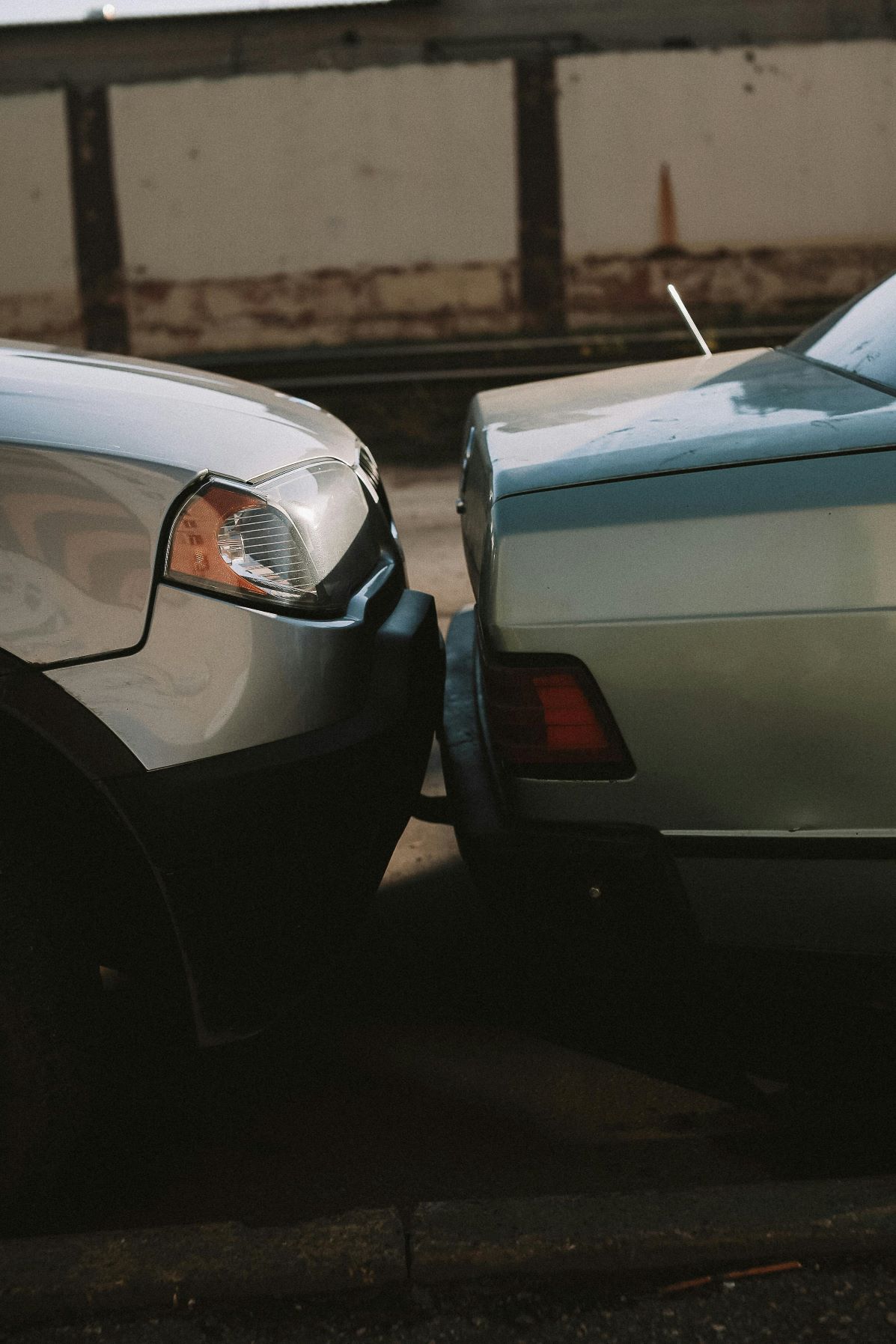
Low-speed parking lot accidents might seem minor, but they can still cause significant damage to suspension, alignment, or steering components. If you notice any change in how your car drives, get it towed to a repair shop.
Multi-Vehicle Accidents
When multiple cars are involved, the accident scene becomes more complicated. Towing services help clear the area safely and efficiently. Ramirez Towing SD responds quickly to accident scenes throughout San Diego County, providing reliable service when you need it most. Contact us 24/7 for fast, professional towing assistance.
Single-Vehicle Accidents
Running off the road, hitting a curb, or colliding with an object can cause hidden damage. These accidents often affect your car’s undercarriage, which you can’t easily inspect yourself.
Timing Your Tow Service Call
Don’t wait to call a towing company. The longer your damaged vehicle sits, especially in traffic or bad weather, the more complications can arise. Other drivers might hit your car again, police may issue citations for abandoned vehicles, or your insurance company might question why you delayed getting help.
If you’re unsure whether you need a tow, err on the side of caution. A quick inspection by a towing professional costs less than risking further damage or a breakdown on the road.
What Professional Towers Look For
Experienced towing operators assess whether your vehicle can be safely transported and what type of towing method works best. Flatbed towing works better for cars with extensive front or rear damage. Wheel-lift towing suits vehicles with specific damage patterns.
Professional towing services understand how to handle vehicles with deployed airbags, leaking fluids, and damaged frames. They know how to secure your car properly to prevent additional damage during transport.
After the Tow
Once your vehicle arrives at a repair shop or storage facility, qualified mechanics can give you an accurate damage assessment. This evaluation helps you understand your repair options and provides the documentation your insurance company needs.
Getting proper towing service after an accident isn’t an unnecessary expense—it’s a smart decision that protects your safety, your vehicle, and your financial interests. When in doubt, make the call.